



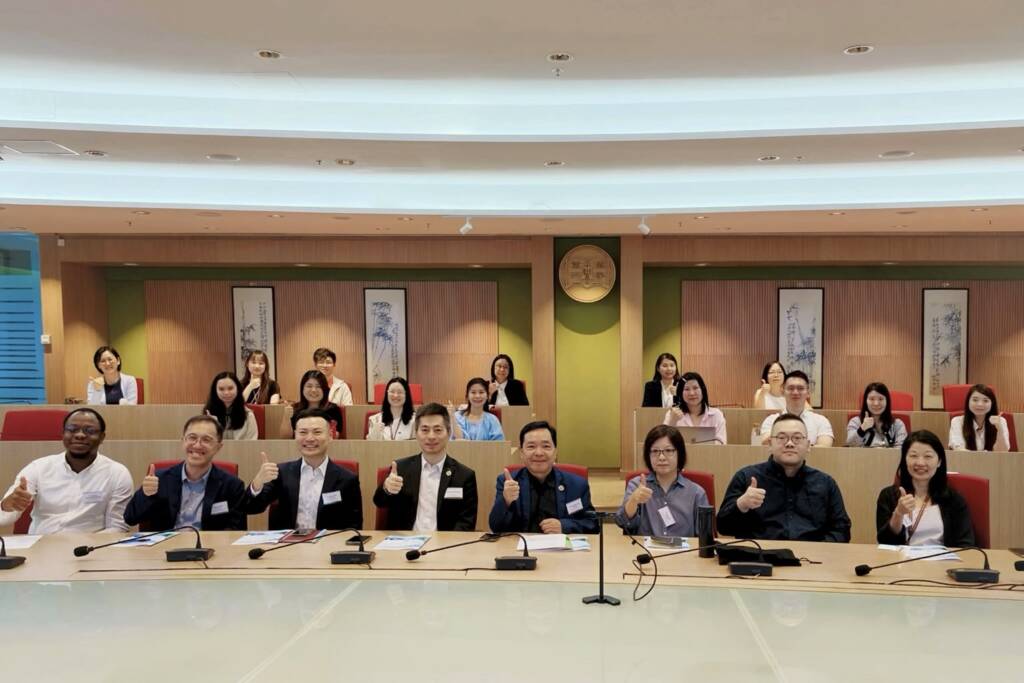
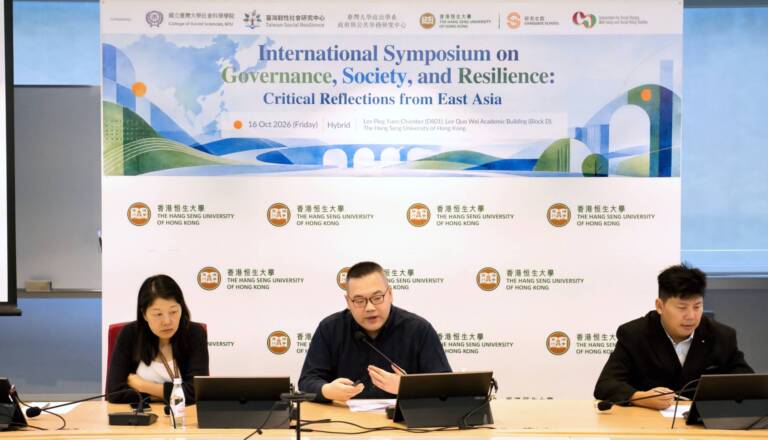
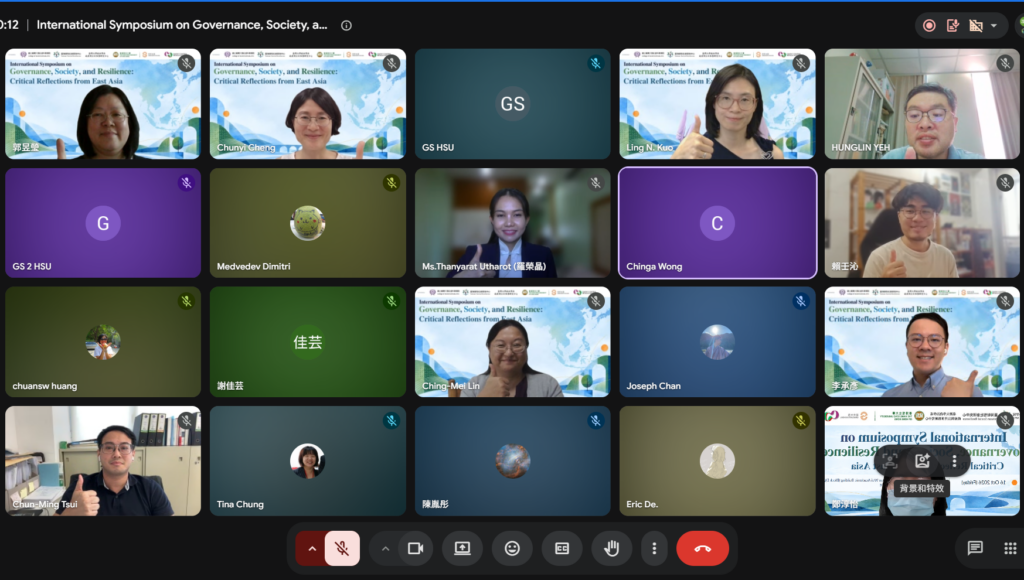
On 16 October 2026, the Graduate School (GS) of The Hang Seng University of Hong Kong (HSUHK) co-hosted the International Symposium on Governance, Society, and Resilience: Critical Reflections from East Asia with the College of Social Sciences at National Taiwan University (NTU), the Taiwan Society Resilience Research Center, and the Consortium for Social Change, Well-being, and Social Policy Studies. The hybrid symposium brought together scholars and practitioners to examine governance and societal resilience in East Asia. Discussions covered fiscal policy, migration, care and the potential risks of emerging artificial intelligence (AI).
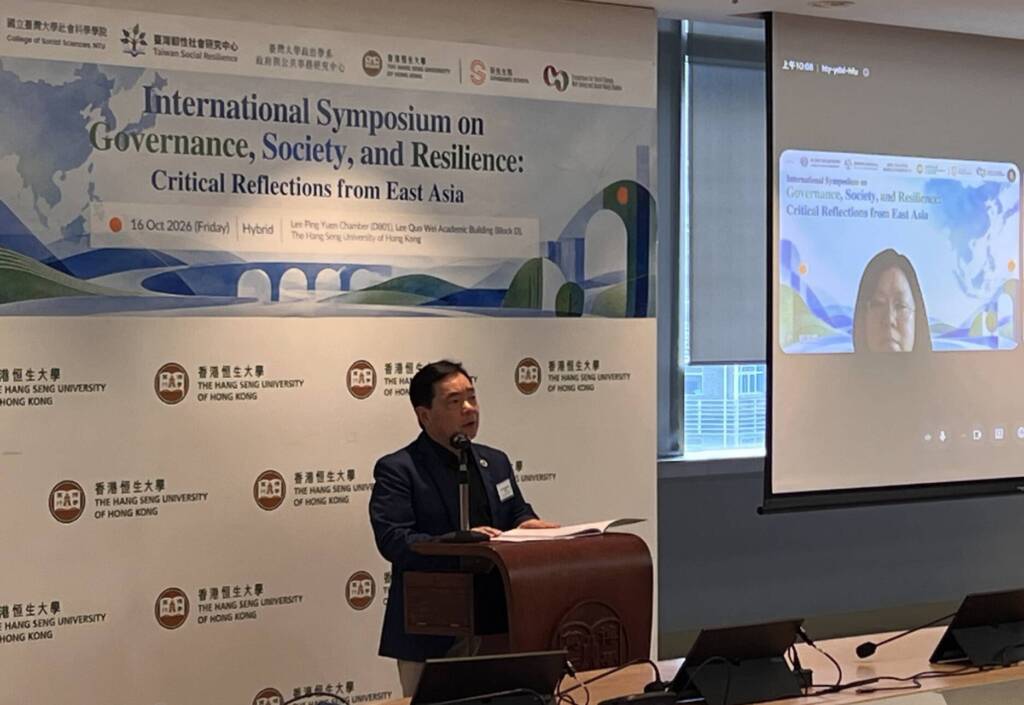
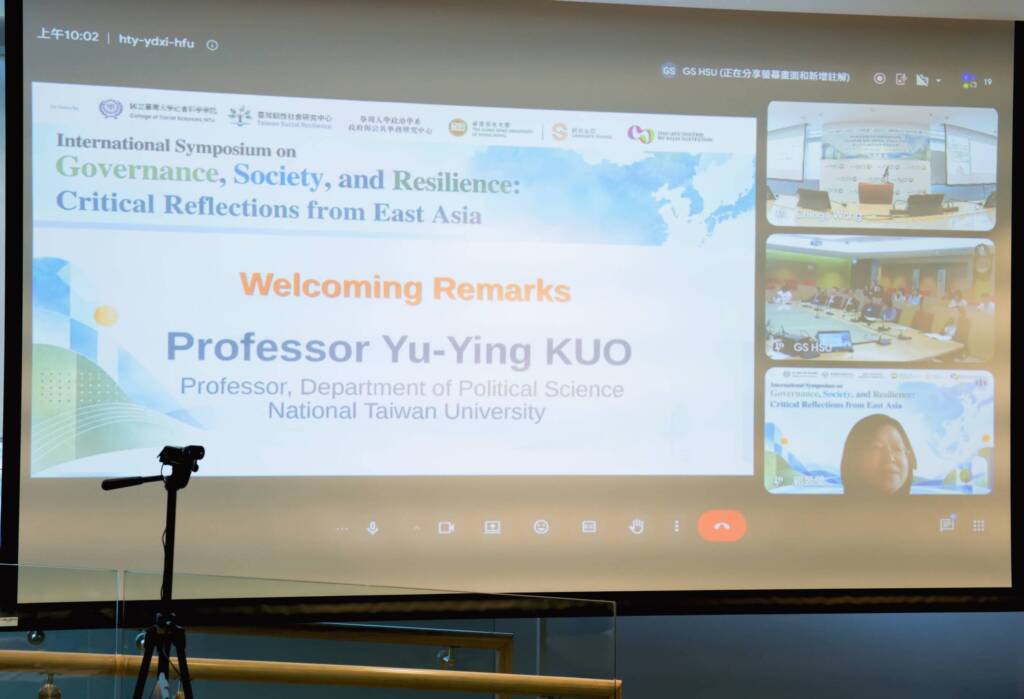
Welcome and opening remarks
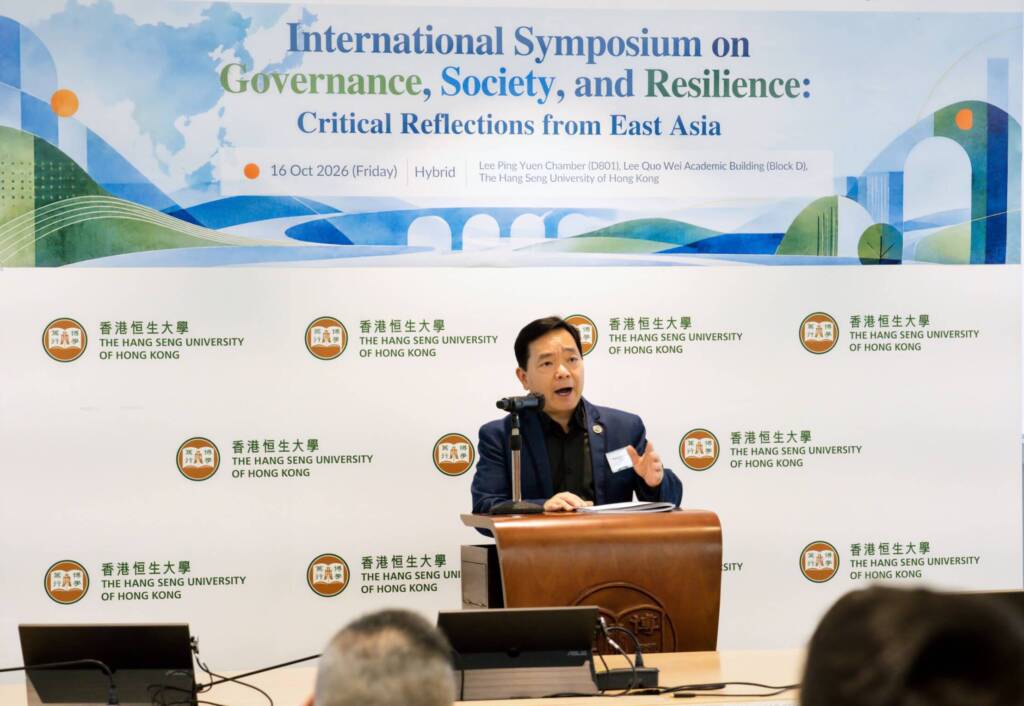
Professor Yu-ying Kuo welcomed participants on behalf of Professor Yu-tzung Chang, Dean of the College of Social Sciences at NTU, and thanked the organising institutions. Reflecting on the geopolitical, economic, demographic and environmental pressures facing East Asia, Professor Kuo called for comparative research and evidence-based governance to help societies prepare for an uncertain future. Her remarks set a shared direction for the day: looking beyond short-term responses towards lasting resilience. She also thanked the HSUHK and NTU teams for making the gathering possible.
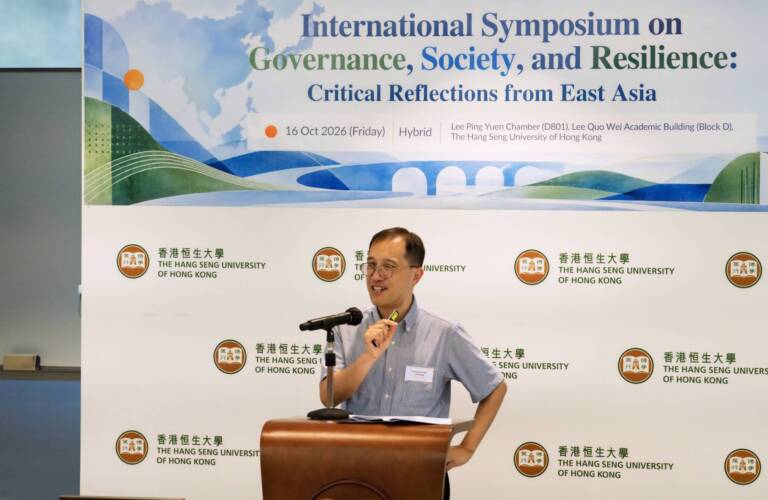
Professor Joshua Mok Ka-ho, President of HSUHK, also delivered the opening remarks, emphasising the critical importance of cross-border academic collaboration in cultivating caring professionals and driving impactful, compassionate research. He highlighted how the university's liberal-plus-professional education model empowers scholars and students to tackle complex regional challenges—from economic and AI disruptions to aging societies—with real-world impact.
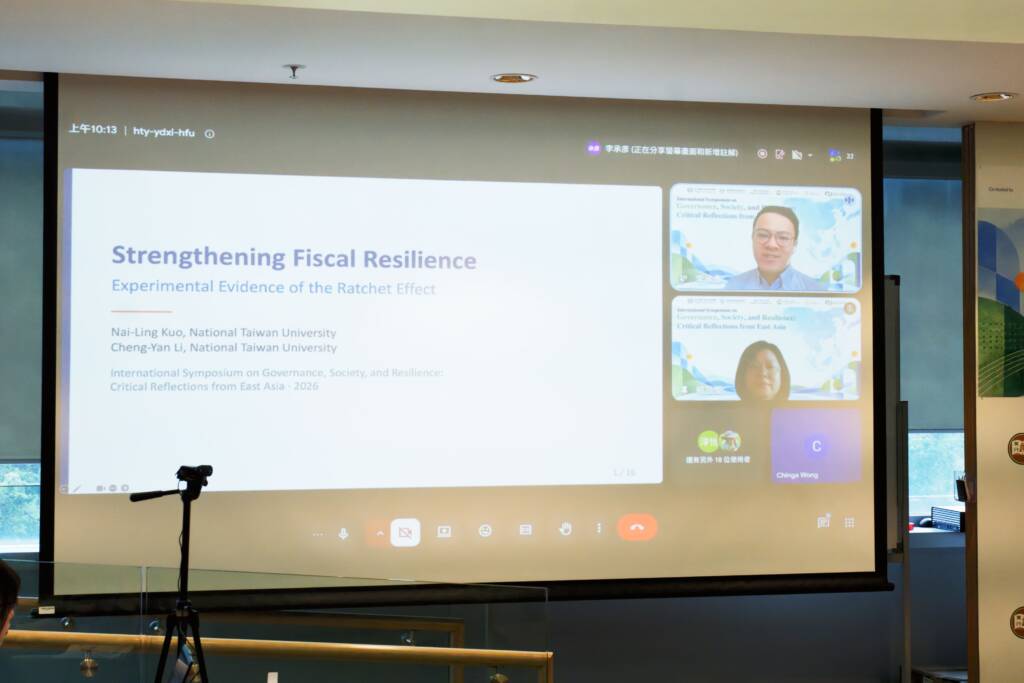
Session 1: Governing through crises
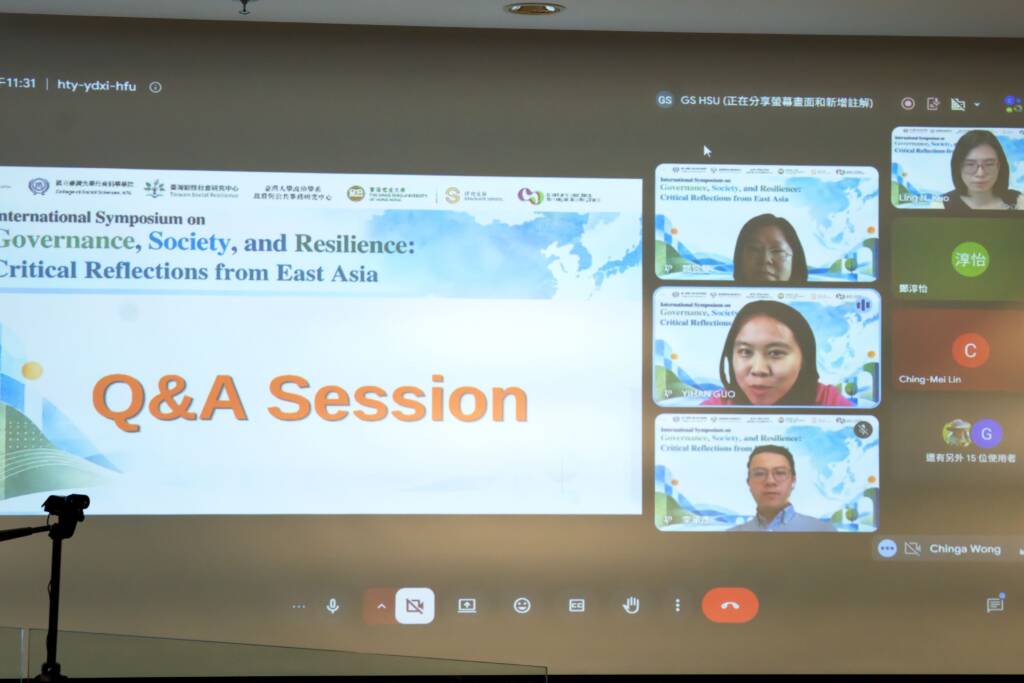
The first session, moderated by Professor Yu-ying Kuo of National Taiwan University (NTU), explored how governments and citizens respond to crises across East Asia. Cheng-yan Li, a PhD student at NTU, presented experimental evidence on public support for crisis-related spending. Ching-mei Lin, former Program Director of Rainbow Adult Day Health Care in Massachusetts, and Professor Kuo examined the attitudes underpinning democratic resilience. Professor Kuo also contributed to a comparative study of emergency fiscal responses with Yu-tou Hsieh, Manager at CTBC Bank. Yihan Guo, a graduate student at Nanyang Technological University, examined fintech and tariff shocks, drawing attention to the methodological challenges of evaluating trade resilience. Together, the presentations highlighted the importance of public trust, institutional capacity and robust evidence in shaping effective responses to uncertainty.
Roundtable Discussion: Potential Risks and Benefits in the Digital Era
Moderated by Dr Kin-man Wan of HSUHK, the roundtable featured presentations by Zhenlin Chen, a doctoral student at Lingnan University, Dr Pui-shan Ho of HSUHK and Dr Wan. Chen examined how teaching supported by large language models influences students' digital self-efficacy and entrepreneurial intentions. Ho explored the role of artificial intelligence in shaping consumer brand preferences in retail banking markets, while Wan analysed the impact of disinformation on political trust. Together, the presentations illustrated how digital technologies are reshaping education, consumer behaviour and political trust across different contexts.
Session 2: Institutions for well-being
The second session was moderated by Associate Professor Shun-wen Wu of NTU. Professor Wu examined patterns of medical utilisation among civil servants. Chao Lien, a PhD student at NTU, and her co-authors reassessed the relationship between the Economic Cooperation Framework Agreement (ECFA) and inequality in Taiwan. Antoni Lukasik, a PhD candidate at the University of Warsaw and Visiting Fellow in the DECRIPT Programme in Paris, explored how influence can extend beyond formal recognition. Hung-lin Yeh, Assistant Professor at Kainan University, considered how fiscal reform could support local economic development and address demographic challenges. These studies offered complementary perspectives on how policy design can promote well-being, equitable development and institutional adaptability.
Session 3: Caring, ageing and resilience
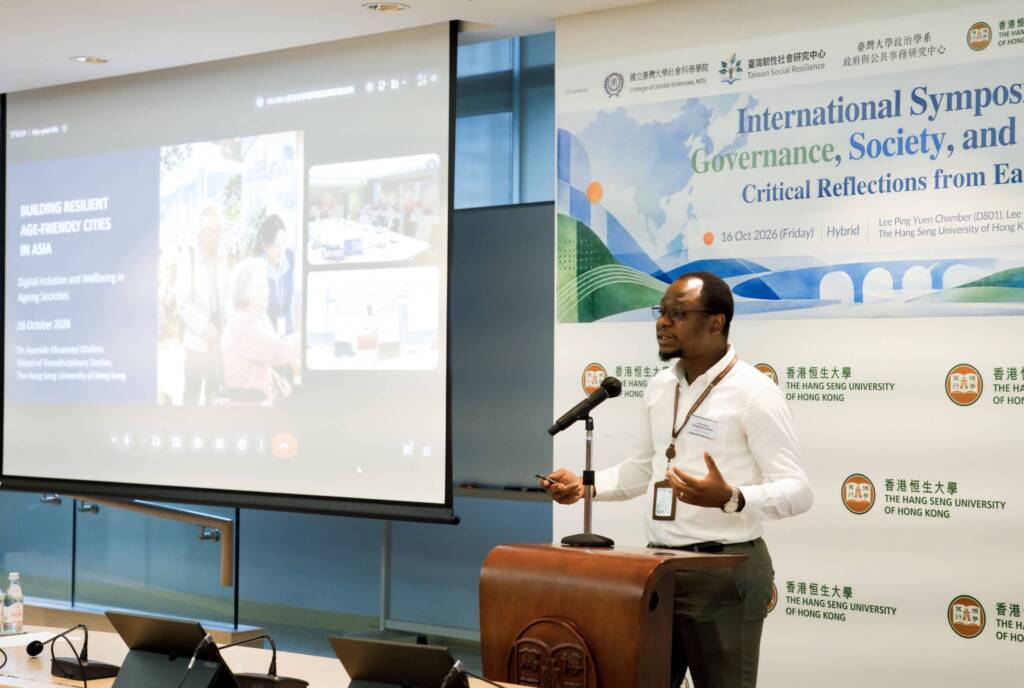
The third session, moderated by Dr Jacky Choy, Assistant Professor at HSUHK, focused on ageing, care and rural life. Dr Ayomide Oluwaseyi Oladosu, Senior Research Associate at HSUHK, and his co-authors explored the role of digital inclusion in building age-friendly Asian cities. Dr Victor Chan, Assistant Professor at HSUHK, examined intergenerational adaptation among families relocating to rural Japan, while Dr Choy shared research on dementia care involving multiple family carers in Hong Kong. Together, the papers highlighted how inclusive policies and sustained support for family and community relationships can strengthen societal resilience.
Closing Remarks: Universities as community partners
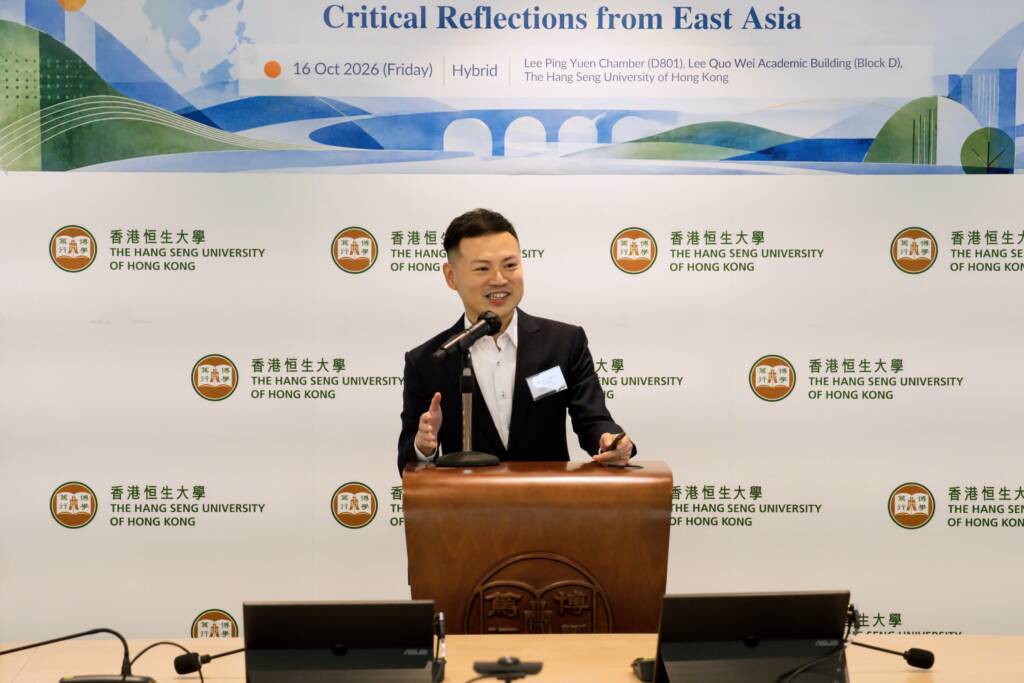
As the symposium drew to a close, Professor Joshua Mok underscored the responsibility of universities to respond to Asia's ageing urban landscape. Beyond producing research, higher education institutions can bring knowledge into neighbourhoods, equip students to address social needs and build partnerships that turn ideas into practical support. "When universities, neighbourhoods and community partners support social entrepreneurship and put genuine human care at the centre," Professor Mok said, "cities such as Hong Kong, including communities like Sha Tin, can turn the pressures of longevity into opportunities for deeper connection." From this perspective, a university becomes more than a place of learning: it serves as a civic partner, bridging generations and helping to ensure that older adults are recognised as vital members of the community.